Teachers have enough to do in December without adding “construct an elf-sized ski lift at 7.15am” to the list.
The good news is that a classroom visit from The Elf on the Shelf® can be simple, useful and genuinely connected to learning. Scout Elves can visit schools during the Christmas season, and the official UK Teacher Resource Center already has free Scout Elf School™ videos, printable activities and lesson guides to help.
If your class is welcoming a Scout Elf™ this year, these ten ideas are designed to slot into reading, writing, maths, science and classroom routines without swallowing your planning time.
Quick answer: Yes, a Scout Elf can visit a classroom. Keep it simple: one small learning prompt, a new safe perch or a short message is plenty. You do not need an elaborate scene every morning.
Can a Scout Elf Visit a School or Classroom?
Yes. Classroom Scout Elf visits are part of the official world of The Elf on the Shelf Christmas tradition, and teachers can use free resources from the UK Teacher Resource Center to add a North Pole theme to learning.
A Scout Elf can become a reading companion from a nearby shelf or other safe spot, close enough to listen without being handled. They can also be a question-setter, a quiet observer or the starting point for a short activity. The key is to make the visit work for your class rather than feeling obliged to create a complicated scene every morning.
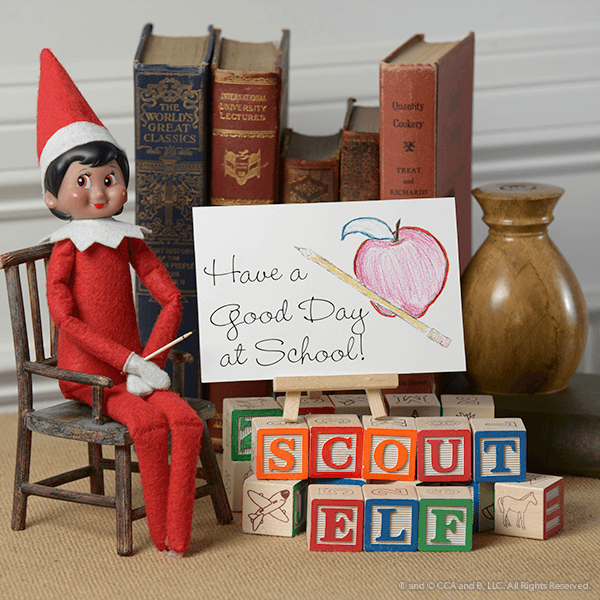
10 Easy Scout Elf Ideas for the Classroom
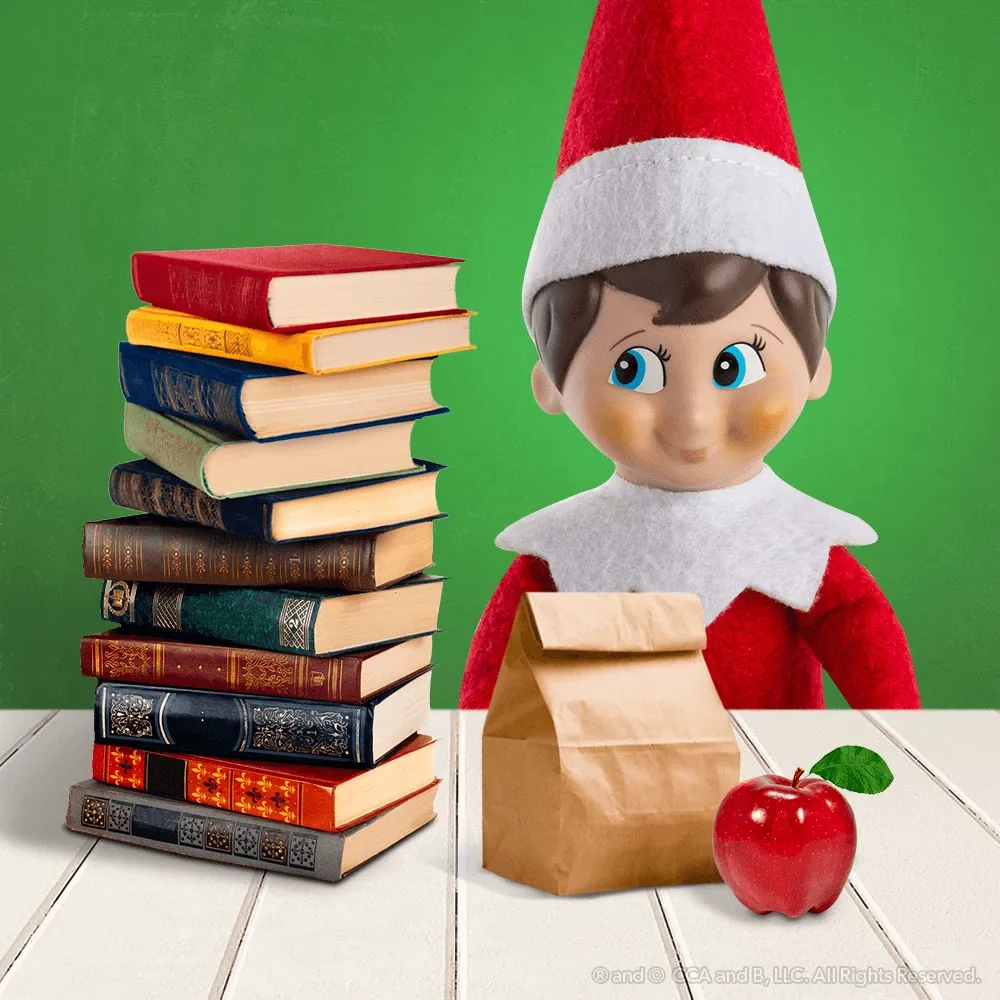
1. Open a North Pole Reading Corner
A classroom Scout Elf may be discovered beside a small stack of books, ready to listen at story time. Pupils can practise reading aloud while their Scout Elf sits nearby, or add bookmarks and a simple sign inviting the class to recommend what the Scout Elf should read next.
For younger pupils, ask for favourite characters. For older children, ask them to write a one-sentence recommendation with the best reason to read their chosen book.
2. Try a Polar Poetry Prompt
Use the Scout Elf School Polar Poetry resource as a five-minute writing starter. Give pupils one winter word, one feeling and one surprising object, then challenge them to build a short poem.
National Poetry Day took place on Thursday 1 October 2026 with the theme “Wonder”, and the idea carries nicely into the Christmas term. A North Pole setting gives children plenty to wonder about.
3. Investigate Snowflake Symmetry
Pair your classroom Scout Elf with the Snowflake Symmetry activity. Pupils can fold and cut paper snowflakes, identify lines of symmetry or design a pattern that mirrors across a central line. It is visual, calm and easy to scale up or down depending on the age of the class.
4. Turn Favourite Things into Gifts & Graphs
Use the Scout Elf School Gifts & Graphs theme to collect a simple set of class data. Favourite winter fruit, preferred story genre or the class’s top rainy-day activity all work.
Tally the answers, build a bar chart and ask pupils what they notice. The Scout Elf brings the hook; the maths does the rest.
5. Write a North Pole News Report
The Extra! Extra! Read All About It resource is a useful prompt for factual writing. Give the class a North Pole headline and ask them to answer the journalist’s basics: what happened, where, when, who was involved and what happened next?
Younger children can dictate or draw. Older pupils can turn the same idea into a short article, interview or headline-writing challenge.
6. Explore Arctic Animals
A Scout Elf may arrive beside a clue about an animal built for icy conditions. Use the Arctic Animals resource to explore habitats, fur, feathers, blubber, camouflage and other adaptations.
Then ask pupils to invent their own North Pole creature and explain three features that would help it live in the cold.
7. Put Fruit Fractions on the Menu
Fruit Fractions is a practical way to make halves and quarters more visible. Use real or paper fruit and ask pupils to show different fractions, compare pieces or solve quick sharing problems.
No elaborate prop cupboard required, and the snack tray may finally earn its moment in the spotlight.
8. Follow Compass Clues
Create a short route around the classroom using north, south, east and west, then let the Compass Clues theme lead pupils to the final destination.
For younger children, keep it to a few directions. For older pupils, add grid references or ask them to write a route for another group to follow.
9. Leave a Polar Pep Talk
A busy term can make confidence wobble. Let the classroom Scout Elf highlight effort rather than perfection with a short encouraging message such as “What did you keep trying at this week?”
Invite children to write a pep talk for somebody else in the class. Keep the focus on specific encouragement: “You explained that really clearly” is much more useful than a generic “well done”.
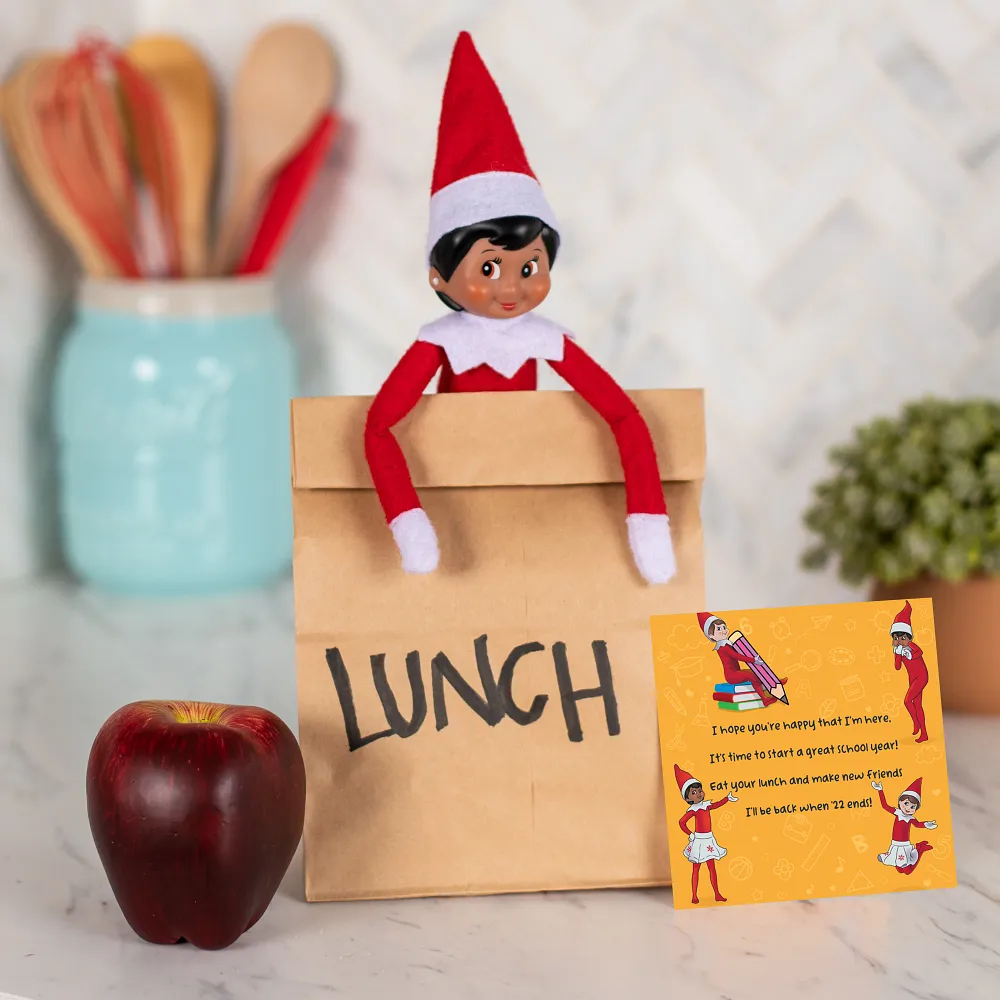
10. Try a Five-Minute Funny Business Starter
The Scout Elf School Funny Business resource can give the morning a lighter start. Use a joke, a silly sentence or a wordplay prompt, then ask pupils why it works.
It can be a quick language exercise, a speaking-and-listening prompt or simply a cheerful way to get everyone through the door on a dark December morning.
All of the Scout Elf School themes above, including Polar Poetry, Snowflake Symmetry, Gifts & Graphs, Arctic Animals, Fruit Fractions, Compass Clues, Polar Pep Talk and Funny Business, have free guides and activity sheets in the UK Teacher Resource Center.
How Often Does a Classroom Scout Elf Need a Big Idea?
They do not. A classroom Scout Elf can simply move to a new safe perch, appear beside the day’s book or bring one small question. The purpose is to add wonder and curiosity, not create another nightly planning task for the teacher.
A sensible rhythm might be one bigger activity each week, with simple reading, message or observation moments in between. For more low-effort inspiration, browse the official Scout Elf ideas library.
A Quick Note on Classroom Inclusivity
Every class is different. If you use The Elf on the Shelf in school, keep the activities optional, inclusive and focused on play, learning, kindness and imagination. Avoid turning a Scout Elf into a behaviour threat or suggesting that one child’s actions could spoil the magic for everybody else.
That approach fits the official brand too: Santa’s helpers are positive, friendly, caring and never naughty.
Scout Elf Classroom FAQs
Where can teachers find free Scout Elf resources?
The official UK Teacher Resource Center includes Scout Elf School videos, lesson guides and downloadable activities across literacy, maths, science, animals, confidence and more. You can find out more in What Is Scout Elf School?
Do classroom Scout Elf ideas need to be elaborate?
No. A new perch, a book, a short message or a five-minute learning prompt can be more than enough.
Can Scout Elf School resources be adapted for different ages?
Yes. Use the activity as a starting point and adjust the question, vocabulary and expected response for your pupils.
Can pupils touch the classroom Scout Elf?
Touching can affect a Scout Elf’s Christmas magic, so it is best to choose a perch where pupils can see and talk to the Scout Elf without handling them. Read more in Can Grown-Ups Touch The Elf on the Shelf?
Ready for a Little North Pole Learning?
Choose one activity that already fits your lesson plan, let the Scout Elf provide the spark and keep the rest beautifully simple.